Quick Answer
The easiest ways to find independent coffee shops near you in 2026 are through Google Maps (search “specialty coffee near me” and filter by 4.5+ star reviews), specialized apps like Beanhunter, and local business directories. Look for cafes featuring fresh-roasted beans with visible roast dates, specialty equipment like pour-over stations, and strong community engagement. These are hallmarks of truly independent operations that prioritize quality over volume — and the coffee genuinely tends to be better.
Why Independent Coffee Shops Matter in 2026
Something shifted in how Americans think about coffee around the mid-2010s, and that shift has only accelerated. The old model — walk in, order a large drip, get out — still works for plenty of people. But a growing portion of coffee drinkers in 2026 want to know where their beans came from, who roasted them, and what the roast date was. They want a barista who can explain the difference between a washed Ethiopian Yirgacheffe and a natural-processed one from the same farm. That’s not pretension. That’s the same curiosity we apply to wine, cheese, or craft beer — and independent coffee shops are the primary place where that curiosity gets rewarded.
The National Coffee Association has documented a steady increase in specialty coffee consumption throughout the early 2020s, with younger consumers (ages 25-40) driving much of that demand. As of 2025, specialty coffee accounts for over 60% of coffee consumed in the United States by volume — a dramatic increase from under 40% just a decade ago. Large chains have tried to capture this market with single-origin seasonal offerings and upscale store formats, but the experience at a genuine independent cafe remains fundamentally different.
Here’s the part that matters beyond taste: the economic argument for supporting independent coffee shops is straightforward and compelling. When you spend $5 at a local independent cafe, roughly 60-80% of that money stays within your local economy — paying local baristas, local landlords, local pastry suppliers, and local roasters. The same $5 spent at a corporate chain sends most of that revenue to a corporate headquarters, shareholders, and distant suppliers. That multiplier effect — locally spent dollars recirculating through your neighborhood — is why economists consistently find that local independent businesses create stronger community economic health than chains.
Independent cafes also function as genuine community anchors in ways that chains simply cannot replicate. They host local art shows, open mic nights, and neighborhood association meetings. They know your name after the third visit. They adjust their playlist based on who’s in the room. When a neighborhood loses its independent coffee shop — often to rising rents or a chain moving in — something intangible disappears with it. The third place (not home, not work, but somewhere in between) that sociologists have identified as critical to community health gets replaced by something transactional and standardized.
In 2026, choosing to find and frequent independent coffee shops near you isn’t just a lifestyle preference. It’s a practical act of community investment. And frankly, the coffee tends to be considerably better. The rest of this guide will help you find these places, recognize the real ones, and get the most out of them.
How to Find Independent Coffee Shops Near You
The problem most people run into when searching for independent coffee shops near them is that Google Maps rewards businesses that spend money on Google Ads — which means chains often dominate the top results. You need a few specific strategies to get past the noise and find the genuine independents.
Google Maps: The Right Way to Search
Instead of searching just “coffee shop near me,” try these more specific queries: “specialty coffee near me,” “pour over coffee [your city],” or “third wave coffee [your neighborhood].” These terms are used almost exclusively by independent specialty cafes rather than chains. Once results appear, filter by rating (4.5+ stars) and read the most recent reviews carefully — look for mentions of specific bean origins, barista expertise, or house roasting. If someone mentions “the Ethiopian was perfect this week,” that’s a strong signal you’ve found a real independent.
Google’s “verified local business” badge doesn’t guarantee independence, but reading through the Q&A sections on business listings often reveals ownership details. Look for whether the business lists a single location and whether the owner responds personally to reviews — chain locations rarely do this with genuine specificity.
Beanhunter and Specialty Coffee Apps
The Beanhunter app was built specifically for this problem. It aggregates specialty cafes by city with user-submitted reviews focused on bean quality, brewing methods, and barista knowledge. A search on Beanhunter in any mid-to-large city will surface cafes that self-identify as specialty operations and have been vetted by other coffee enthusiasts. It’s not perfect — smaller cities have sparse coverage — but it’s the most targeted tool available for finding independent cafes that prioritize quality.
Sprudge.com, which functions as a cafe directory alongside its specialty coffee journalism, is another resource worth bookmarking. It covers new cafe openings, roaster profiles, and regional coffee culture in a way that helps you discover independents before they become famous (and crowded).
Social Media Discovery
Instagram and TikTok have become surprisingly effective tools for finding independent cafes. Search hashtags like #specialtycoffee, #thirdwavecoffee, #[yourcity]coffee, or #independentcafe. Independent baristas and cafe owners post constantly — and their content tends to be far more specific and craft-focused than chain social media. A post showing a close-up of a single-origin coffee bag with the farm name and roast date is almost never coming from a Starbucks account.
Local Directories and Community Resources
Your city’s local business alliance or Main Street organization often maintains directories of independent businesses, including cafes. Community Facebook groups, neighborhood subreddits (r/[yourcityname]coffee is a real thing in many cities), and local food bloggers are all excellent resources. This same approach to discovering niche local establishments works across categories — our guide to discovering local businesses in your community walks through similar discovery methods that apply equally well to coffee shops, boutiques, and restaurants.
Word of Mouth
Still the most reliable method. Ask bartenders, restaurant owners, food-focused friends, or anyone who mentions coffee with genuine enthusiasm. People who care about what they drink have already done the legwork you’re about to do — and they’re usually happy to share their finds. A recommendation from a trusted local source beats any app recommendation.
What Makes a Coffee Shop Truly Independent
The word “independent” gets used loosely in coffee, so it’s worth being precise. A truly independent coffee shop is a single-location (or occasionally two or three location) business where the owner is actively involved in daily operations and where business decisions — sourcing, staffing, menu, design — are made locally rather than by a distant corporate entity.
Ownership Models: What to Know
There are roughly four ownership structures you’ll encounter in the cafe world. First, the genuine independent: one owner, one shop, deeply personal. Second, the local small chain: one ownership group running two to ten locations, often still sourcing thoughtfully and maintaining community ties. Third, the quality-focused regional chain: companies like Blue Bottle (pre-Nestle acquisition), Intelligentsia, or La Colombe — once independent, now corporate-owned but maintaining specialty positioning. Fourth, the commodity corporate chain: Starbucks, Dunkin’, and their franchise equivalents, where standardization is the entire point.
The first two categories are what most people mean when they say they want to find independent coffee shops near them. The third is a gray area — many coffee enthusiasts still enjoy these cafes while recognizing they’re no longer community-owned businesses in the traditional sense.
Roaster-Owned vs. Cafe-Only
Some independent cafes are purely cafes — they source from local or regional roasters but don’t roast themselves. Others are roaster-owned, meaning the cafe is essentially the showroom for their own roasting operation. Roaster-owned cafes often offer the freshest possible beans (sometimes roasted the same week you’re drinking them) and the deepest barista knowledge about what’s in the cup. Neither model is inherently superior, but roaster-owned shops tend to offer more transparency about bean sourcing and supply chain decisions.
Certifications as Verification
The Specialty Coffee Association offers a range of certifications for baristas and roasters — from barista skills certificates to the prestigious Q-Grader license for roasters. When a cafe prominently displays SCA certifications, it signals investment in professional standards. Look also for Direct Trade or Fair Trade sourcing disclosures, which indicate the cafe has thought carefully about where its beans originate. These aren’t guarantees of independence, but they’re strong indicators of serious intent.
Beyond formal certifications, pay attention to how a cafe talks about its sourcing on its website and menu boards. Genuine independents tend to name specific farms, cooperatives, and regions — not just “ethically sourced” as a blanket claim. A menu that reads “Chelbesa washing station, Gedeo Zone, Ethiopia — natural process, harvest November 2025” is telling you something real. A menu that just says “premium single-origin espresso” is telling you almost nothing.
Top Features to Look for in Independent Cafes
Once you’ve found a candidate cafe, here’s how to assess whether it’s genuinely worth your regular patronage — and your money.
Bean Sourcing and Roast Dates
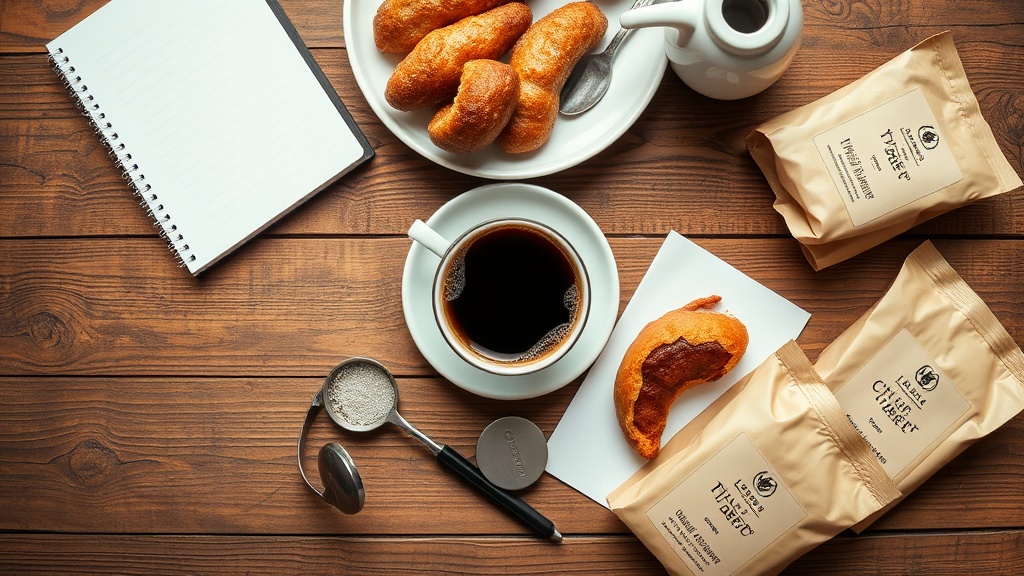
This is the clearest quality signal available to any customer. Look at the coffee bags on the shelf or ask what’s currently being used. Does it list a roast date? Does it name the farm or cooperative, the country, the processing method? Fresh beans should be used within two to four weeks of roasting — anything beyond that starts to lose complexity. Cafes that can’t tell you when their beans were roasted are buying commodity coffee and hoping you don’t notice.
Direct Trade sourcing goes a step further: these are cafes whose roasters have direct relationships with specific farmers, paying above market rates and often visiting farms annually. When you see “direct trade” on a menu or bag, it means someone in that supply chain has done significant work to connect the cup to the farmer — and that farmer is earning meaningfully more than commodity market prices. The Fair Trade USA certification provides a third-party verification alternative for cafes that source through cooperatives rather than direct farm relationships.
Equipment Quality
You don’t need to be a gear expert to spot serious equipment. Espresso machines from manufacturers like La Marzocco, Slayer, Synesso, or Modbar signal significant capital investment and professional intent — these machines run $15,000-30,000+. Grinders from Mahlkonig, Ditting, or Eureka alongside dosing scales on the bar indicate precision brewing practices. Pour-over stations with gooseneck kettles and digital scales mean the cafe is treating manual brewing as a craft rather than an afterthought. None of this tells you the coffee will be good, but it tells you someone spent serious money trying to make it good.
Barista Training and Knowledge
The best independent cafes treat barista training as ongoing rather than a one-time orientation. Ask your barista about the current espresso blend or the pour-over option — a knowledgeable barista will engage enthusiastically, mention flavor notes, and explain brewing parameters. A disengaged or uninformed response suggests the shop isn’t investing in staff development. SCA-certified baristas tend to be the most knowledgeable, but genuine enthusiasm and curiosity count for as much as formal credentials. I’ve had some of the best conversations about coffee at small-town independents run by self-taught owners who’d never heard of the SCA but sourced obsessively and dialed in their grind settings every morning.
Unique Ambiance and Community Focus
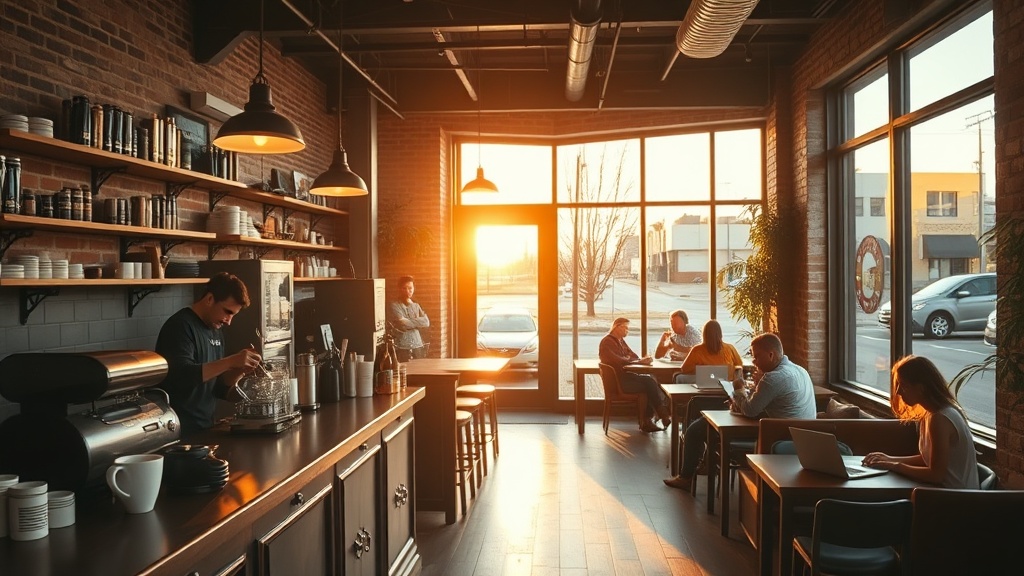
Independent cafes reflect their community in ways that chains physically cannot. Local art on the walls, event boards advertising neighborhood gatherings, furniture that looks collected rather than ordered from a catalog, playlists that feel curated by an actual person — these details accumulate into an atmosphere that makes you want to stay. This isn’t decoration for its own sake; it’s the physical manifestation of community investment. A cafe that has hosted the same neighborhood book club for three years has earned something that no corporate rebrand can manufacture.
Specialty Offerings and Brewing Methods
The menu at a genuine independent specialty cafe will often include pour-over options (Chemex, V60, Kalita Wave), cold brew prepared in-house, occasional siphon brewing, single-origin espresso alongside house blends, and seasonal rotating offerings tied to new crop arrivals. Some offer cupping sessions or single-origin flights — the coffee equivalent of a wine tasting. These offerings require investment in equipment, training, and sourcing relationships that commodity cafes simply don’t make. When a cafe rotates its pour-over offering every few weeks based on what’s arrived from a specific farm, that’s a live connection to agriculture and seasonality that no chain replicates.
Sustainability Practices
Leading independents have largely standardized around compostable or reusable cups, offer discounts for bringing your own cup, compost coffee grounds, and partner with local suppliers for pastries and food to reduce delivery miles. This isn’t universal, but it’s increasingly the baseline expectation among specialty coffee consumers in 2026. A cafe that discounts your drink by $0.25 for bringing a reusable cup has made a real policy commitment — not just put a recycling bin by the door.
Regional Trends: Independent Coffee Culture by Region
Independent coffee culture looks different depending on where you are in the United States. Understanding regional trends helps you know what to expect — and what to seek out — when you’re exploring local cafes in a new city or your own backyard.
West Coast: The Established Epicenter
Seattle, Portland, and the Bay Area built the specialty coffee movement as Americans know it. Stumptown Coffee (Portland, founded 1999), Victrola Coffee (Seattle), and Blue Bottle Coffee (Oakland, before the Nestle acquisition) wrote the playbook that independents across the country still follow. Today, the West Coast scene has matured into something even more nuanced. In Portland alone, you’ll find cafes like Water Avenue Coffee and Coava Coffee working directly with farmers in Ethiopia, Colombia, and Indonesia, posting roast dates weekly and offering monthly subscription education boxes. The culture here is coffee-forward to a degree that can feel intense to newcomers, but it produces consistently excellent cups.
Los Angeles has developed a distinct specialty coffee identity that blends West Coast roasting rigor with the city’s design sensibility. Cafes like Go Get Em Tiger shaped an LA approach that emphasizes visual presentation alongside cup quality — pour-over service as performance art, essentially. The result is some of the most photogenic and technically precise coffee in the country.
Northeast: Third-Wave Intensity
New York City’s independent coffee scene is arguably the densest in the world per square mile. Cafe Grumpy, Joe Coffee, and Toby’s Estate helped establish a Northeast third-wave identity focused on precise extraction and transparent sourcing. Boston’s George Howell Coffee (founded by one of the movement’s founding figures) remains a pilgrimage destination for serious coffee travelers. The Northeast approach tends to be technically rigorous — the cafes are beautiful but the conversations are more likely to involve extraction yield percentages than community art shows. That’s not a criticism; it’s a different expression of the same underlying commitment to quality.
The South: A Real Awakening
The South’s independent coffee scene has grown faster over the past five years than any other region. Nashville’s Crema Coffee Roasters, Chattanooga’s Mean Mug Coffee, and New Orleans’ specialty shops like Congregation Coffee demonstrate how Southern cafe culture has absorbed third-wave principles while maintaining distinctive regional character. Dallas, in particular, has seen an explosion of independent specialty cafes — you can find an extensive guide to thriving small businesses in Dallas that includes many of the city’s best independent cafes alongside other local gems worth exploring.
Atlanta, Charlotte, and Austin all have thriving independent scenes that blend Southern hospitality with genuine specialty coffee craft. The South tends to excel at the community-cafe experience: longer seating hours, warmer staff interactions, and a slightly more relaxed approach to the technical performance that can sometimes dominate West Coast cafes. The vibe is friendlier; the coffee is just as good.
Midwest: Artisan Roasting on the Rise
Chicago has long had a strong independent cafe culture (Intelligentsia launched there), but the broader Midwest has seen significant growth in artisan roasting over the past decade. Kansas City’s The Roasterie, Minneapolis’s Dogwood Coffee, and Columbus’s Brioso Coffee represent a Midwest approach that takes sourcing as seriously as coastal peers while pricing for local income realities. The Sprudge cafe directory is an excellent resource for tracking new openings and roaster profiles in Midwest markets that don’t always make national food media coverage.
Emerging Markets
Mid-sized cities — Boise, Asheville, Spokane, Savannah, Richmond, Tucson — are increasingly home to serious independent specialty cafes. Often founded by baristas who trained on the coasts and returned home, these shops bring West or East Coast technical standards to communities that hadn’t previously had access to genuine specialty coffee. These are often the most exciting places to discover right now, before the scenes become saturated. The combination of lower rents, tight-knit communities, and genuine passion for the craft tends to produce cafes where the owner is behind the bar most mornings and every customer interaction feels intentional.
Supporting Independent Coffee Shops: Your Role as a Customer
Finding great independent cafes is only half the equation. Keeping them alive requires consistent, intentional support — and most customers underestimate how directly their behavior affects whether a small cafe survives.
Visit Consistently, Not Just When It’s Convenient
Independent cafes survive on regulars. One loyal customer who visits five times per week is worth more to an independent cafe than fifty tourists who visit once. If you’ve found a cafe you love, make it your default — not just your weekend treat. Monday morning at your local independent is exactly when they need you most, not Saturday afternoon when every cafe is busy. The foot traffic patterns at independent cafes tend to peak on weekends and drop sharply on weekday mornings — which is precisely when a reliable regular’s $6 latte matters most to the day’s economics.
Buy Gift Cards and Merchandise
Gift cards provide independent cafes with immediate cash flow — money they can use now for rent, beans, and payroll — while creating deferred revenue on their books. During slow periods or off-seasons, buying gift cards is one of the most practical ways to support a cafe you care about. Coffee merchandise (branded mugs, tote bags, bean subscriptions) serves the same function while giving you something tangible in return.
Engage Intentionally on Social Media
Sharing your experience, tagging the cafe, and leaving detailed positive reviews on Google and Yelp costs you nothing and provides independent cafes with marketing they couldn’t otherwise afford. A well-written Google review that mentions specific drinks, atmosphere, and barista quality is worth real money in customer acquisition. Make it specific — “the pour-over with the washed Guatemalan was perfectly bright and clean” tells potential customers far more than “great coffee!”
Attend Events and Support the Community
When an independent cafe hosts a cupping session, a local art opening, or a coffee education class, showing up matters. These events rarely generate significant revenue directly, but they build the community identity that makes a cafe indispensable. They also give you access to the deeper coffee knowledge that makes the whole experience more rewarding.
Many independent coffee shops are also minority-owned businesses — and intentional support of these establishments carries additional significance. Our guide to supporting local Black-owned businesses is an excellent companion resource for understanding how intentional community support creates lasting economic impact. Coffee shops run by Black, Latino, Asian, and other minority entrepreneurs are a meaningful and growing part of the independent cafe landscape, and seeking them out specifically is a way to put your coffee spending toward broader equity goals.
The coffee shops and cafes you support are part of a much larger local economic story. The vibrant small business landscape that makes cities and towns worth living in depends on consumers making intentional choices about where they spend — and coffee shops are often the daily habit that adds up to the most significant impact over time.
Respect Workspace Policies
Independent cafes struggle to balance community workspace with revenue needs. If a cafe asks that laptop users purchase something every few hours, respect that policy. If there’s no Wi-Fi during weekend rush hours, understand why. These decisions come from economic necessity, not hostility — and following them keeps the cafe financially viable enough to stay open for the community that depends on it.
Common Challenges Independent Cafes Face in 2026
Understanding why independent cafes face real existential pressure helps customers appreciate what they’re supporting — and what successful independents do differently to survive.
Rising Commercial Rents
In most urban markets, commercial rent has increased 15-30% over the past five years. For an independent cafe operating on 8-12% net profit margins, rent consuming 25-35% of gross revenue creates a structural problem with no easy solution. Many beloved independent cafes in gentrifying neighborhoods have closed not because customers stopped coming, but because landlords doubled rent at lease renewal. Some successful independents are responding by purchasing their spaces when possible, relocating to lower-cost neighborhoods, or operating out of shared spaces and markets rather than dedicated storefronts.
Labor Market Competition
Skilled baristas in 2026 can earn $18-24 per hour in competitive urban markets — significantly more than the $12-15 that was standard five years ago. This is genuinely good news for workers, but it puts pressure on independent cafes that can’t offer the benefits packages or career ladders that larger employers provide. Successful independents counter this by creating genuine career paths (head barista, roaster trainee, cafe manager), offering flexible scheduling, and building cultures where experienced baristas want to stay long-term rather than churn through quickly.
Supply Chain Disruptions
Green coffee bean prices have been volatile since 2021, driven by climate events affecting producing regions, shipping disruptions, and currency fluctuations in producing countries. Independents without large purchasing power can’t hedge against price swings the way large chains can. The independents that handle this best tend to have the deepest direct relationships with specific farms — those relationships provide supply stability that spot market purchasing cannot.
Competing with Quality-Focused Chains
The most acute competitive threat in 2026 isn’t Starbucks — it’s the mid-tier quality-focused chain (think regional players with 20-50 locations) that offers genuinely good coffee with the operational efficiency and marketing budgets of a corporate entity. These chains can offer specialty coffee experiences at slightly lower prices because of volume purchasing, making it harder for genuine independents to differentiate on quality alone. Successful independents respond with hyper-local identity, deep community integration, and experiences that a chain with 30 locations simply cannot replicate.
What Successful Independents Do Differently
The cafes that survive and thrive in this environment tend to share several characteristics: they have a clear and specific identity (not just “good coffee” but “single-origin natural-processed coffees from women-led cooperatives”), they build loyal communities rather than chasing foot traffic, they train staff deeply rather than cheaply, and they treat their sourcing relationships as genuine partnerships rather than commodity transactions. The ones that close are often trying to compete on price and convenience — a fight they will almost always lose against larger operators with structural cost advantages.
Comparison Table: Independent vs. Chain Coffee Culture
The table below is designed to help you make an informed decision about where your coffee money goes. The differences are significant enough that for most specialty coffee drinkers, the case for independent cafes is clear — but quality-focused chains occupy a legitimate middle ground worth acknowledging.
| Attribute | Independent Specialty Cafes | Quality-Focused Chains | Commodity Coffee Chains | Corporate Franchises |
|---|---|---|---|---|
| Average Espresso Price | $4.50-$6.50 | $4.00-$5.50 | $3.00-$4.00 | $2.75-$3.50 |
| Bean Sourcing | Single-origin, direct trade, roast dates under 2 weeks | Curated blends, 4-week average roast dates | Mass-produced blends, unclear sourcing | Corporate-supplied, standardized |
| Barista Training Level | SCA certification common, extensive ongoing training | Basic-to-intermediate training programs | Minimal specialized training | Standardized corporate training only |
| Community Impact (% profits reinvested locally) | 60-100% | 20-40% | 5-15% | 0-5% |
| Customization Options | High – milk alternatives, brewing methods, ratios on request | Moderate – preset options with some modifications | Limited – standard sizes, basic modifications | Very limited – standard menu only |
| Specialty Offerings | Pour-overs, siphon brewing, single-origin flights, cupping sessions | Seasonal single-origins, specialty drinks | Standard drinks, seasonal promotions | Limited menu rotation |
| Sustainability Practices | 85%+ compostable/reusable cups standard; grounds composted | 50-60% sustainability initiatives | 10-20% eco-friendly options | Corporate sustainability programs, inconsistently applied |
| Average Customer Loyalty | 70% repeat customers within 2-week window | 45% repeat customers within 2-week window | 25% repeat customers within 2-week window | 15% repeat customers within 2-week window |
| Average Barista Hourly Wage (2026) | $18-$24 + tips in urban markets | $16-$20 + tips | $14-$17 + tips | $13-$15, tips rare or shared centrally |
The customer loyalty numbers tell the most interesting story here. Independent specialty cafes retain 70% of customers within a two-week window compared to just 15% for corporate franchise locations. That gap doesn’t happen by accident — it’s the cumulative result of better coffee, genuine relationships, and environments people actually want to return to.
Frequently Asked Questions
What’s the difference between an independent coffee shop and a local chain?
Independent coffee shops are typically single-location, owner-operated businesses where profits stay in the local community and the owner is present daily. Local chains usually have two to ten locations under one ownership group but maintain local control over sourcing and staff decisions. Both differ fundamentally from corporate chains like Starbucks or Dunkin’, which are multi-state or national operations that prioritize standardization over local sourcing. True independents often feature house-roasted beans, unique decor reflecting community character, and an owner who knows your usual order by week two.
How do I know if a coffee shop’s beans are really fresh?
Check the roast date printed on the bag — fresh beans should be used within two to four weeks of roasting for optimal flavor. Look for cafes that list the roaster name, origin country, processing method, and altitude on their bags or menu boards. Ask the barista directly: “When were these beans roasted?” Legitimate specialty cafes will answer enthusiastically and specifically. Stale coffee tastes flat, bitter, and one-dimensional, while fresh beans produce bright, complex flavor notes that actually taste like what the menu describes.
Are independent coffee shops more expensive than chains?
Slightly more, yes — expect to pay $4.50-$6.50 for specialty drinks versus $3-$4 at commodity chains. That premium reflects superior beans sourced within two weeks of roasting, skilled baristas with real training, and a local business that reinvests 60-100% of its revenue into your community. Many independents offer better value per dollar because of quality — a mediocre $3.50 espresso that tastes harsh and flat is worse value than a $5.50 espresso that’s genuinely enjoyable. Spending an extra $1-$2 per drink is also direct support for local roasters and barista careers.
What certifications should I look for in independent coffee shops?
Look for SCA (Specialty Coffee Association) barista certifications displayed in the cafe or mentioned on the website — these represent real investment in professional training. Q-Grader certifications for roasters indicate professional-level cupping and grading training, typically earned after rigorous multi-day exams. Sourcing certifications like Direct Trade, Fair Trade USA, or Rainforest Alliance signal ethical sourcing commitment beyond just marketing language. Genuine independents tend to display these credentials proudly because they represent real work and real values, not just marketing checkboxes.
How can I find independent coffee shops using my phone?
Use Google Maps with search terms like “specialty coffee near me” or “third wave coffee [your city]” rather than just “coffee shop,” which surfaces chains disproportionately. The Beanhunter app was built specifically to surface specialty cafes with user reviews focused on bean quality and barista expertise. Instagram hashtags like #specialtycoffee, #[yourcity]coffee, or #independentcafe are surprisingly effective — independent cafe owners post with genuine specificity about their beans and methods in ways chains never do. Local business directories and neighborhood Facebook groups or subreddits round out the discovery toolkit.
Why are some independent coffee shops closing despite popular demand?
Rising commercial rents (consuming 25-35% of gross revenues in many urban markets), labor costs for skilled baristas ($18-24 per hour in competitive markets), and supply chain volatility for green coffee beans all squeeze margins that were never wide to begin with. Many owners struggle to compete with corporate chains’ purchasing power and marketing budgets, particularly now that quality-focused chains are also offering genuinely good coffee at slightly lower prices. Successful independents typically survive by focusing on niche experiences — specialty brewing methods, community events, hyper-local identity — rather than trying to compete on price or convenience against operators who will always have structural cost advantages.
What’s the difference between third-wave coffee and specialty coffee?
Specialty coffee is the broader category: it refers to high-quality coffee scored 80+ points on the SCA scale, emphasizing origin transparency and careful processing. Third-wave coffee is the philosophy and cultural movement built around treating coffee with the same seriousness as wine or craft beer — appreciating origin character, roast profile, and brewing method as interconnected. Third-wave cafes typically feature single-origin beans, precise manual brewing (pour-overs, siphons, Aeropress), and baristas who can explain the cup’s flavor notes and where they come from. Most independent specialty cafes embrace third-wave principles, while most chains focus on consistency and volume regardless of quality tier.
Should I tip at independent coffee shops, and how much?
Yes, tipping is standard at independent cafes in 2026 — typically 15-20% of the total bill, or $1-$2 for basic drinks like drip coffee or a standard espresso. Independent cafe baristas earn lower base wages than some corporate chain employees and depend on tips as meaningful income, not just a bonus. Most cafes use digital payment systems (Square, Toast, Clover) that make tipping easy and visible. Consistent, generous tipping supports career baristas, encourages skill development, and signals to the cafe owner that their staff investment is appreciated by the community they serve. Tipping $1 on a $3.50 drip is perfectly reasonable; no need to feel pressured into 25% on every transaction.
Can I work or study at independent coffee shops like I do at chains?
Most independent cafes welcome laptop workers, though policies vary significantly by location and time of day. Many independents are comfortable with two to four hours of work time with a drink purchase during non-peak hours; others gently request that customers rotate out during weekend rushes. The respectful approach is always to ask: “Is it okay if I work here for a while?” — independent owners generally appreciate the question and give honest answers. Expect that Wi-Fi may be less reliable than at Starbucks, and that busy Saturday mornings are not the right time to set up a full workstation regardless of what the policy says during quiet periods.
How do independent coffee shops source their beans ethically in 2026?
Leading independents use Direct Trade sourcing — direct relationships with farmer cooperatives that pay above commodity prices, supporting farmer incomes and sustainable growing practices. Some roasters participate in annual origin trips to visit farms directly, while others co-own farm equity stakes. Certifications like Fair Trade USA or Rainforest Alliance provide third-party verification of sourcing claims. The best way to verify a cafe’s sourcing ethics is simply to ask the barista about the roaster’s relationship with the farms on their current menu — cafes with genuine sourcing stories tell them enthusiastically and with specific detail about harvest years, regions, and farmer names.
Bottom Line
My specific recommendation: start with Beanhunter. Download it this week, search your city, and pick the highest-rated independent specialty cafe within a reasonable distance. Visit on a Tuesday or Wednesday morning — quieter, friendlier, and you’ll actually get to talk to the barista. Order whatever single-origin option they’re featuring on pour-over and ask one question about the beans. That single visit, done intentionally, will tell you more about whether it’s worth becoming a regular than any amount of online research.
If Beanhunter has sparse coverage in your area, use Google Maps with “specialty coffee near me” and look for 4.5+ star ratings with recent reviews mentioning specific origins or barista knowledge. Most mid-sized cities have at least two or three genuine independents within a short drive, even if they don’t show up on the first page of a generic “coffee shop” search.
The price premium is real but modest — $1-$2 more per drink — and the community impact of that small difference accumulates meaningfully over time. A daily $5.50 latte at a local independent rather than a $4.25 chain equivalent redirects roughly $450 per year into your local economy. That’s real money for a barista’s wages, a local pastry supplier’s rent, and a roaster’s ability to pay farmers above commodity prices.
There is almost certainly an excellent independent coffee shop within a reasonable distance of wherever you’re reading this. The discovery tools are there. The quality markers are identifiable. Go find yours.